
Coronary artery disease
What is coronary artery disease?
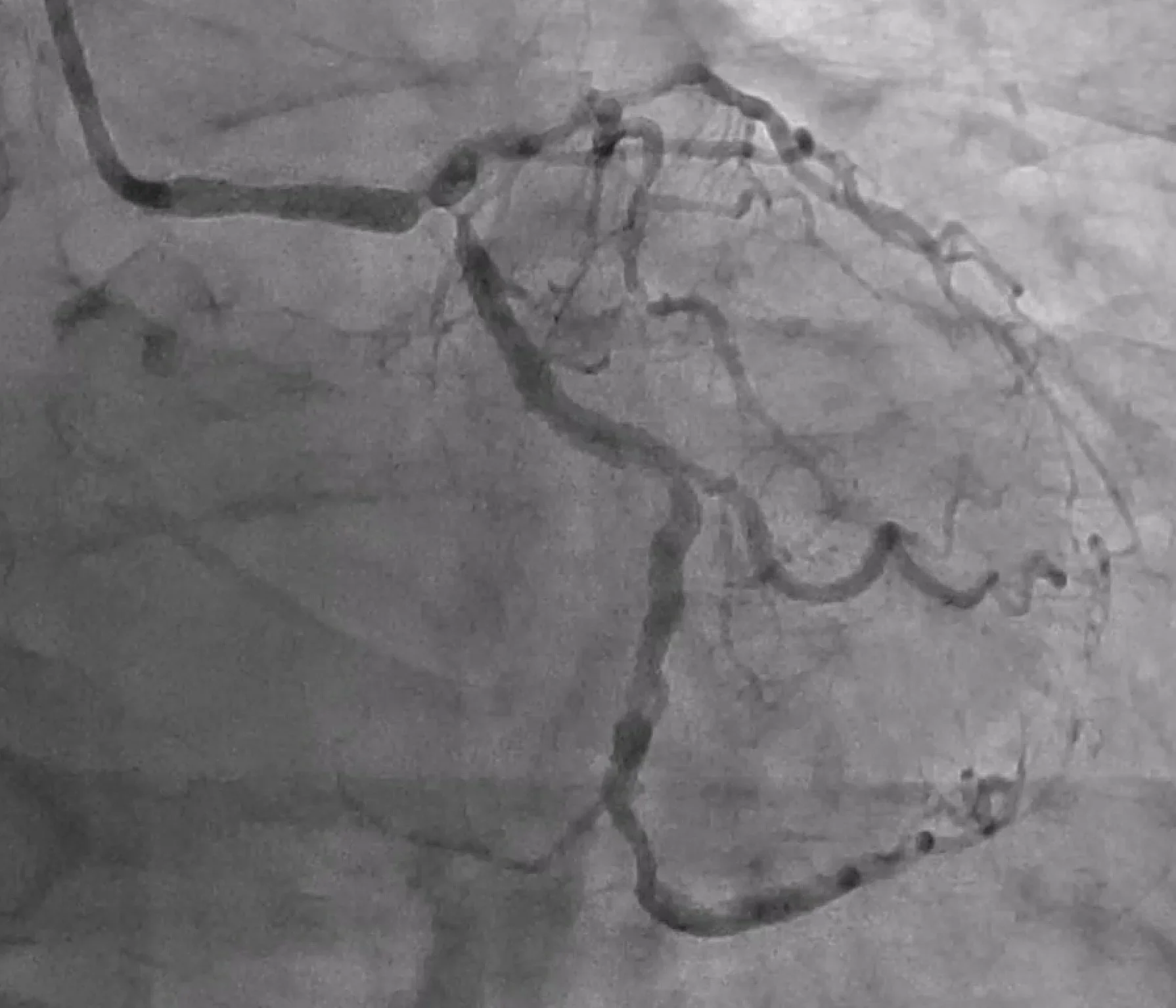
Coronary artery disease (also called coronary heart disease) occurs when fatty plaque builds up in the arteries that supply blood to the heart muscle. Over time, this can narrow the arteries and reduce blood flow—particularly during exertion—causing symptoms such as angina. A sudden plaque rupture with clot formation can lead to a heart attack (myocardial infarction).
Symptoms to recognise
Coronary artery disease symptoms vary widely. Some people have no symptoms until a significant narrowing or an acute event.
Common symptoms
Chest tightness/pressure/heaviness (often with exertion or stress)
Shortness of breath
Reduced exercise tolerance or unusual fatigue
“Angina equivalents” (important)
Some people—particularly older adults, people with diabetes, and women—may present without classic chest pain and instead notice symptoms such as shortness of breath, fatigue, nausea, sweating, or other atypical symptoms.
When to seek urgent help
New, severe, or persistent chest discomfort, unexplained breathlessness, or symptoms at rest can indicate an acute coronary syndrome and should be treated as urgent.
Treatment Options
1. Foundations: risk factors and prevention
Lifestyle changes are not “nice to have”—they are core therapy:
smoking cessation
blood pressure control
cholesterol management through diet + medication
physical activity and weight optimisation
diabetes management
addressing sleep and stress where relevant
2. Medications (the backbone of long-term protection)
Depending on your situation, medications may include:
Cholesterol-lowering therapy (typically statins; sometimes additional agents)
Antiplatelet therapy (for those with established CAD and/or post-stent, tailored to bleeding risk)
Blood pressure medications where indicated
Anti-anginal medications to improve symptoms and exercise capacity
In people with diabetes or very high cardiovascular risk, therapies that reduce cardiovascular events may be considered as part of whole-patient prevention
3. Revascularisation (when symptoms or risk warrant it)
If a narrowing is significant and causing symptoms—or if anatomy suggests higher risk—opening or bypassing the artery may be appropriate:
Coronary angioplasty and stenting (PCI)
Coronary bypass surgery (CABG)
This is decided based on symptoms, ischaemia burden, coronary anatomy, heart function, and individual risk.
A shared, evolving strategy
Coronary artery disease is usually a chronic condition. The goal is not simply to “fix” a narrowing, but to reduce symptoms, prevent heart attack, and slow or stabilise further plaque progression over time.
Revascularisation (stenting or bypass surgery) can improve symptoms in appropriate patients. However, in stable coronary artery disease, it has not been shown to reduce mortality compared with optimal medical therapy alone. For this reason, procedures are recommended selectively — based on symptoms, anatomy, ischaemia burden, and overall risk — not automatically.
Long-term protection relies on comprehensive medical therapy and sustained risk-factor control. Preventing further plaque progression is a lifelong process that includes cholesterol management, blood pressure control, diabetes optimisation where relevant, and lifestyle measures.
Treatment decisions are made together, and the plan may evolve as symptoms, investigations, and overall risk change over time.